Helmet and Goggle
“And I didn’t have any idea what to do, but I knew I needed a click…”
I can think of a few members of our family who will be excited that Daft Punk Are Now Lego (via Pitchfork).
“And I didn’t have any idea what to do, but I knew I needed a click…”
I can think of a few members of our family who will be excited that Daft Punk Are Now Lego (via Pitchfork).
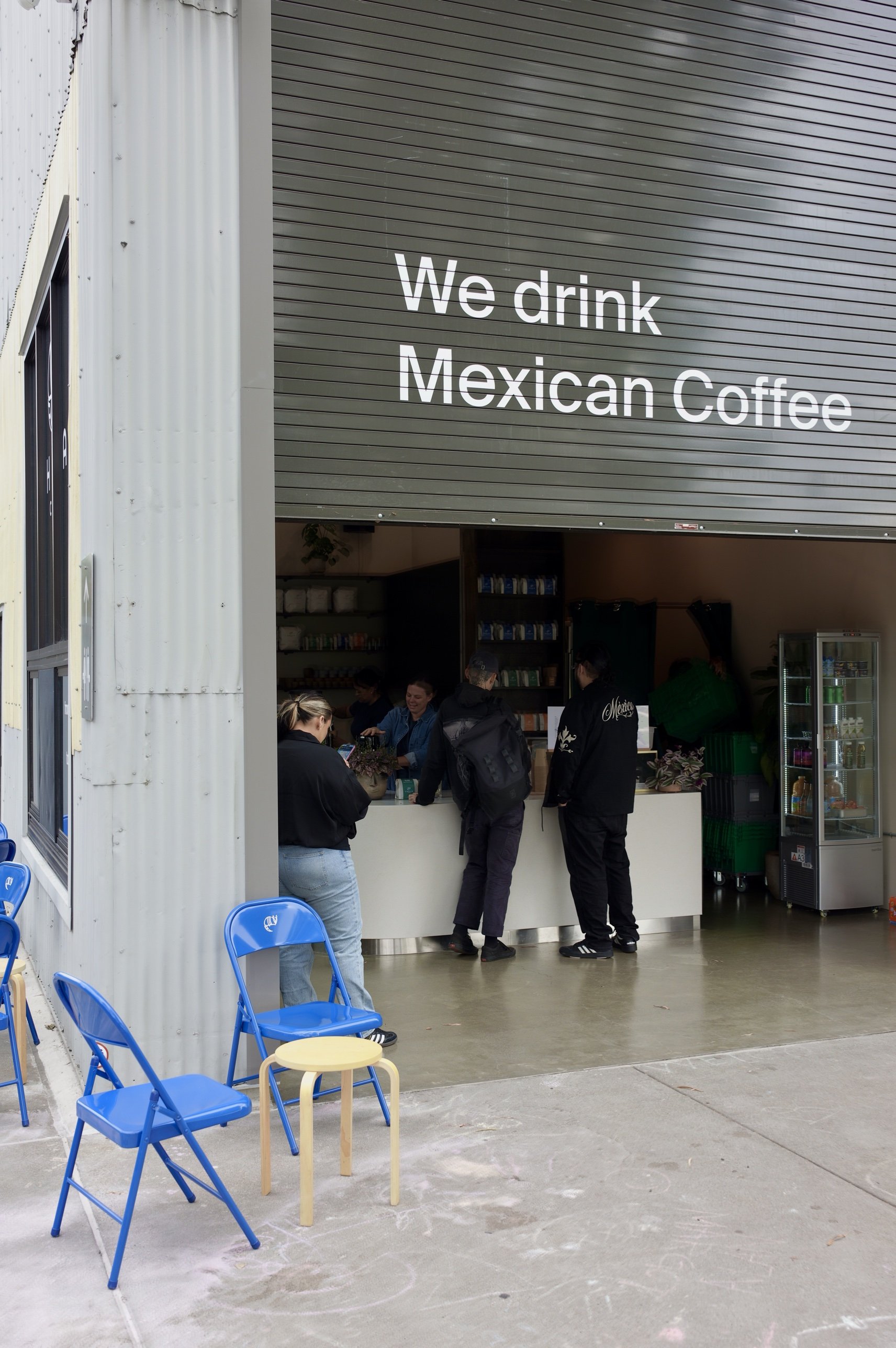
Mayra Bracamontes and her husband Adrian Betanzos opened Chula Café in the Dogpatch at Crane Cove Park, serving beans from the Bracamontes family farm in Chiapas.
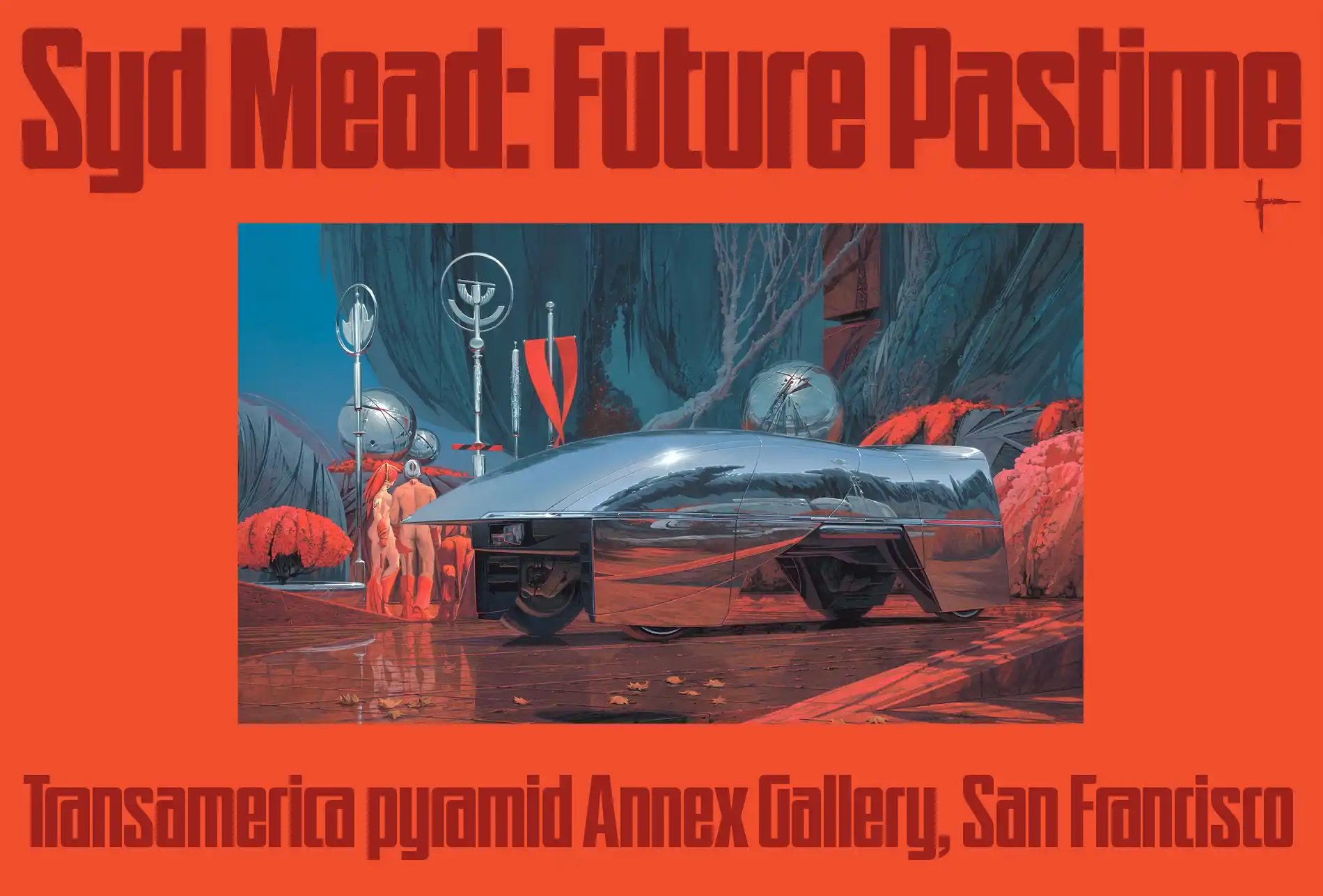
Opening today in San Francisco: an exhibition of the legendary futurist Syd Mead.
His work, featured in Blade Runner, Star Trek, and TRON, and for clients as varied as Ford, Apple, and NASA, inspired millions of people with a vision of the future—vast, technological, optimistic, and sometimes a warning. The aesthetic of cyberpunk, solarpunk, and NASApunk can each draw their roots toward Syd Mead and his incredible imagination.
Open October 8 through December 17 at the Transamerica Pyramid Annex Gallery.
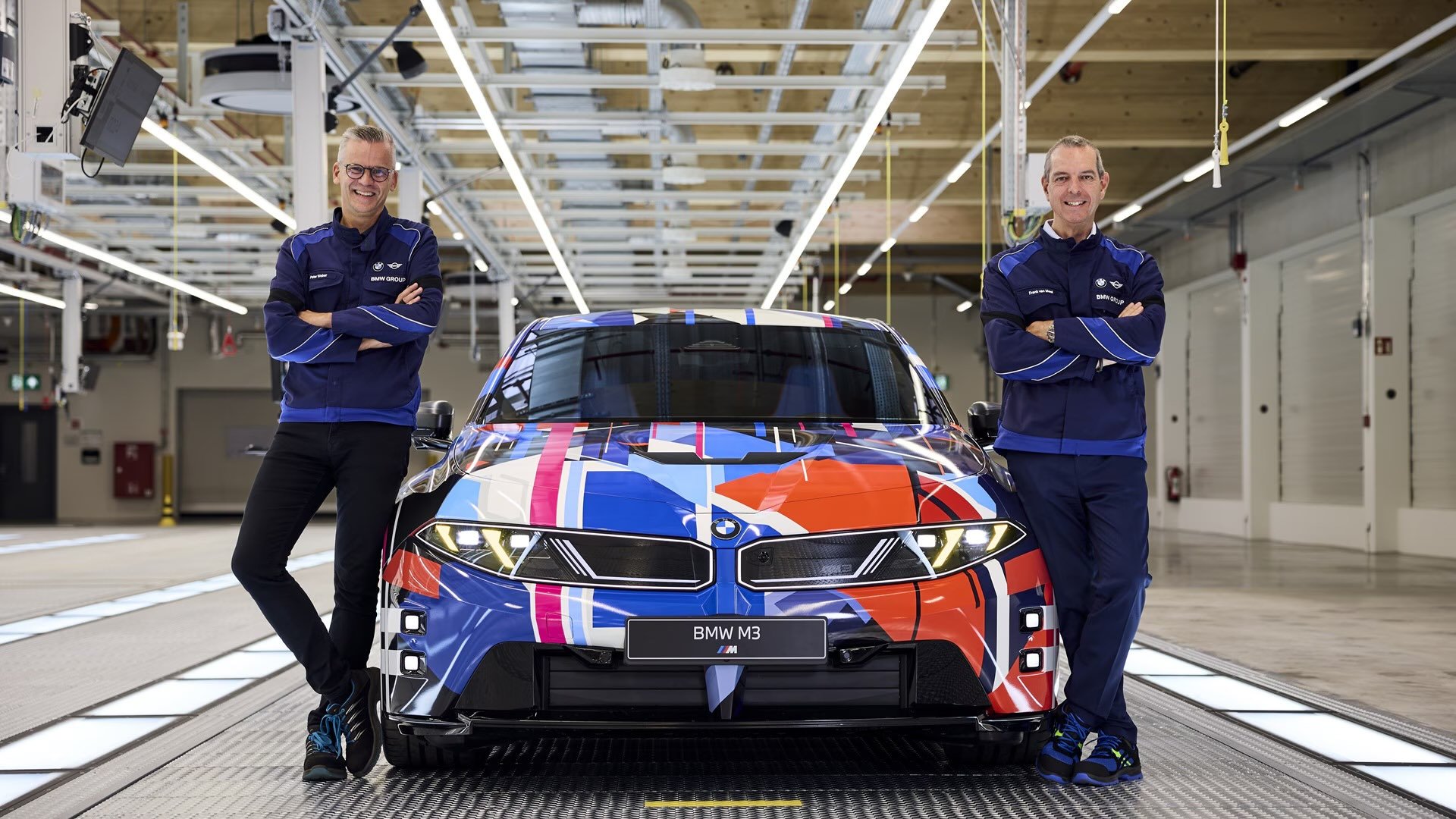
BMW is set to unveil their first ground-up electric M car in the next few weeks.
Oliver Heilmer and Adrian van Hooydonk cooked with the Neue Klasse design language, evoking E series BMWs from the 70s to the early aughts. I’m particularly excited about the single ECU handling vehicle dynamics, integrating throttle, brakes, and suspension.
I can’t wait to drive one on the track.
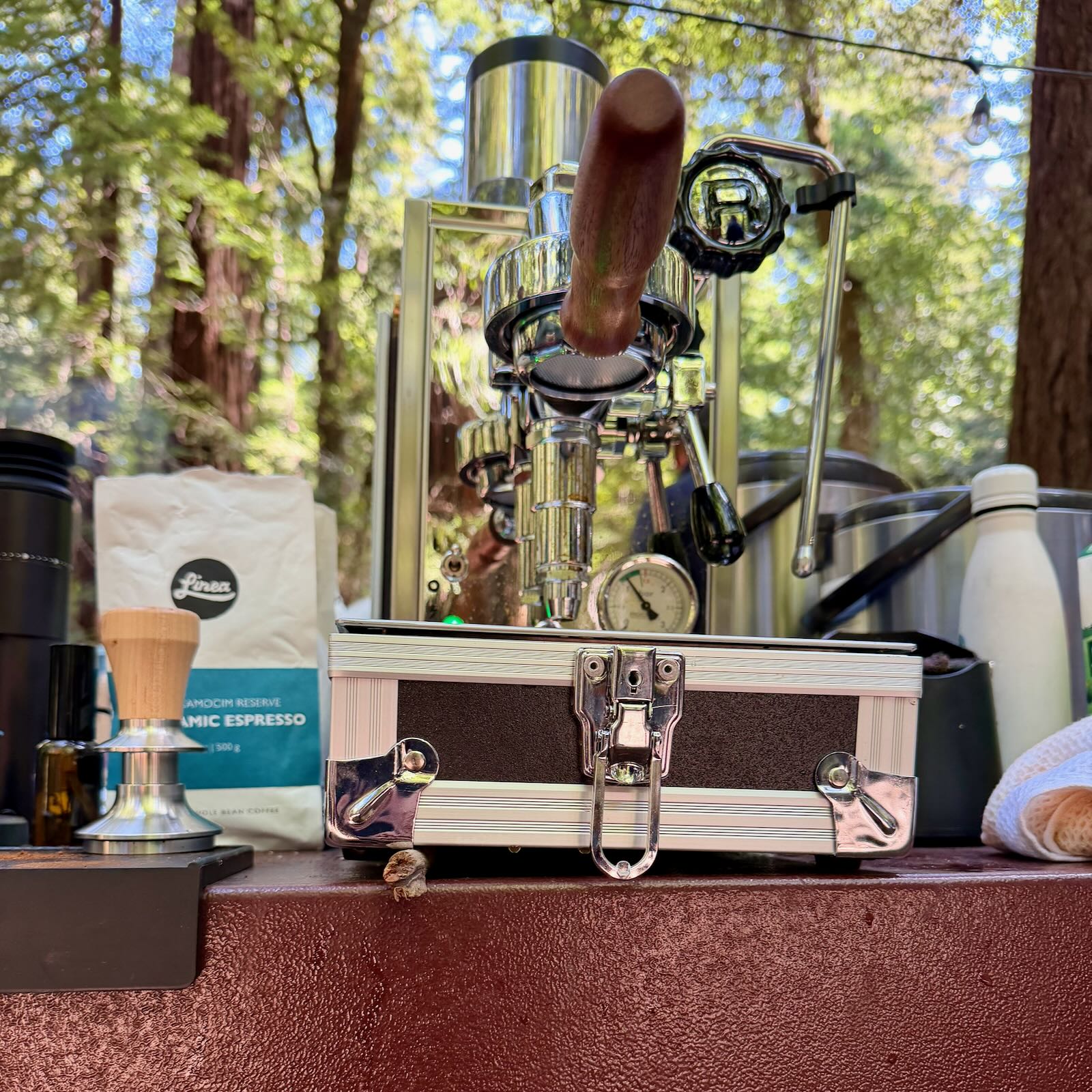
Camping with cappuccinos ain’t half bad. Thanks to Rocket for the espresso machine, Option-O for the grinder, Rivian for the power, Minor Figures for the milk, and Linea for the beans.
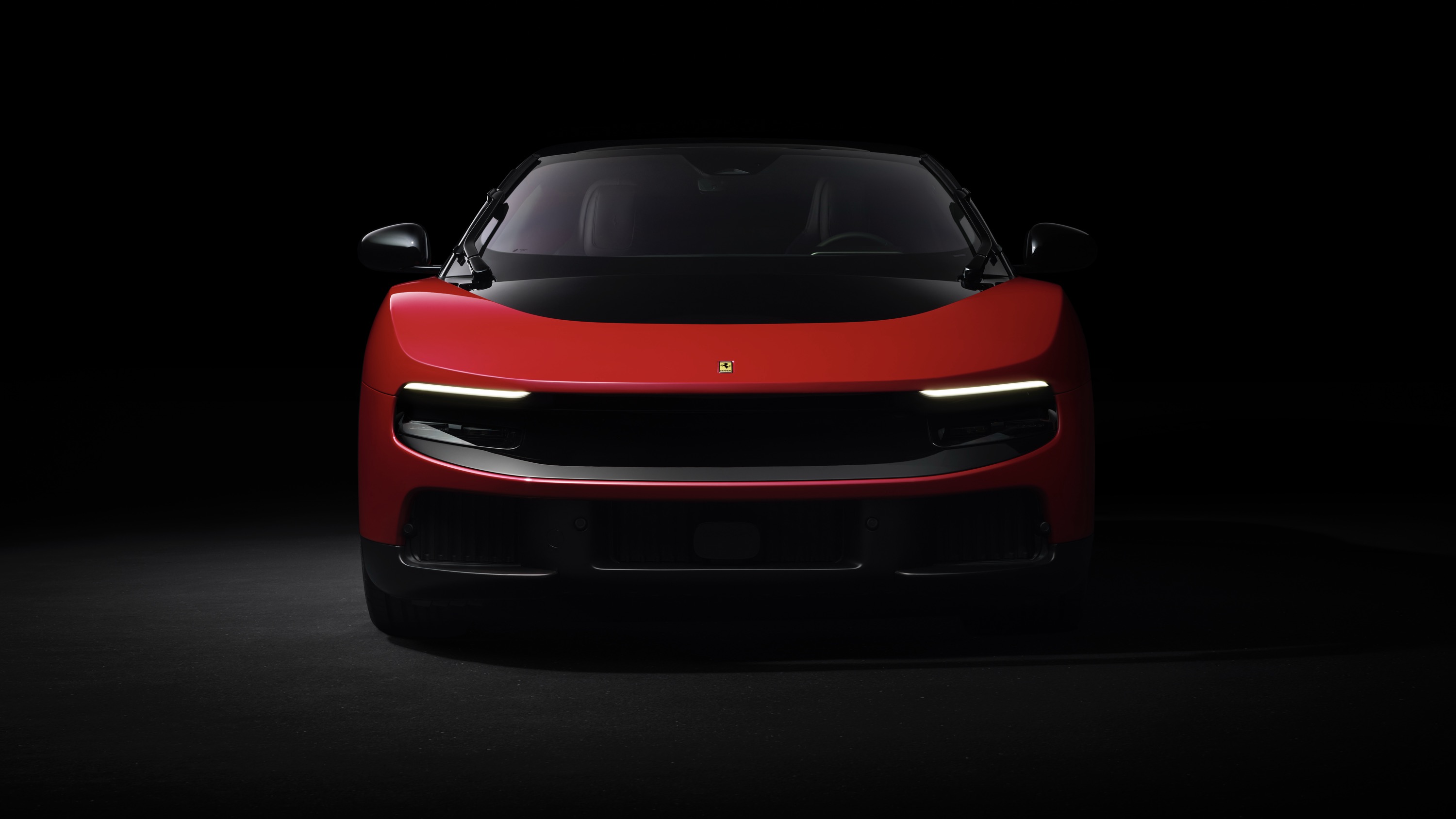
The Internet reacted faster than light to Ferrari’s debut of their first EV, the Luce.
With a track record of shipping controversial designs and road cars without V-12s, Ferrari knows exactly who they are—the exclusive purveyor of a driving experience packaged by Jony Ive. The other N of 1 established: the only EV with a prancing horse, the only Ferrari that seats 5. What hasn’t changed: Ferrari selling to the non-enthusiast market for 50 years.
I can’t wait for their second and third takes on the luxury EV formula. Congratulations to the team behind the Luce for taking the risk.
Edit: M.G. Siegler writes:
Anyway, while ‘Tesla Twitter’ is making fun of the design, ‘Design Twitter’ seems more positive. I’m certainly in the latter camp.
This website has existed in various forms for over 25 years. Earlier this week, with the help of Claude, I ported it from Jekyll on Heroku, to Hugo on GitHub Pages, and eventually to a simple container on Fly.io (hi Kurt!). The last time I overhauled it was 2014, from a lodge in New Zealand.
With Claude, I explored a few dozen decision trees, tradeoffs on hosting, exploring costs and capabilities. Ultimately, the technology choices were…boring. Hugo because I’m familiar with (and a contributor to) Go. Inline tests written in Go, auto-deploy from GitHub Actions, and reasonable dependency updates powered by Dependabot.
The whole thing is more hands-off, and I suspect subject to less bit-rot than previous iterations. Things this website once depended on, but I no longer have to worry about:
The joy of writing code with AI feels like the joy of waiting for C to compile in the 90s. Weird, I know. But magic.
Would you believe it took a while to reinstall Ruby?